
The Biology of Bipolar Disorder: What We Know So Far

Bipolar disorder isn’t just emotional—it’s biological. Research shows clear differences in brain chemistry, structure, genetics, and even immune function in people with bipolar disorder. This post breaks down the science behind the diagnosis to help you understand what’s really going on in the bipolar brain.
What Happens When Bipolar Disorder Goes Untreated? The Natural Course Explained

Bipolar disorder doesn’t just disappear if you ignore it. Left untreated, it can become more severe, with more frequent episodes and serious long-term effects on your brain, relationships, and safety. This post explores what happens when bipolar disorder goes unmanaged—and why getting help early can change everything.
Understanding Bipolar Subtypes: Mania, Depression, Mixed States, and Rapid Cycling

Bipolar disorder takes many forms—some dramatic, others more subtle. From full-blown mania to rapid cycling and mixed states, understanding the different subtypes of bipolar disorder can help you identify your symptoms and get the right treatment. This post breaks down the key features of each type so you can better navigate your own diagnosis or support a loved one.
When Does Bipolar Disorder Start? Exploring Age of Onset and Early Signs

Bipolar disorder often begins in the teenage years or early twenties—but early symptoms can be subtle and easily mistaken for stress, depression, or ADHD. This post explores the typical age of onset, early warning signs, and why timely recognition can make a crucial difference in managing the disorder long-term.
Who First Discovered Bipolar Disorder

Long before bipolar disorder was formally recognized, French psychiatrist Jean-Pierre Falret described a cyclical illness of mania and depression—decades before Kraepelin’s famous classification. This post revisits the forgotten origins of bipolar diagnosis and explores how early debates still shape the way we understand mood disorders today.
The Physical Toll of Mania: How It Affects Your Body
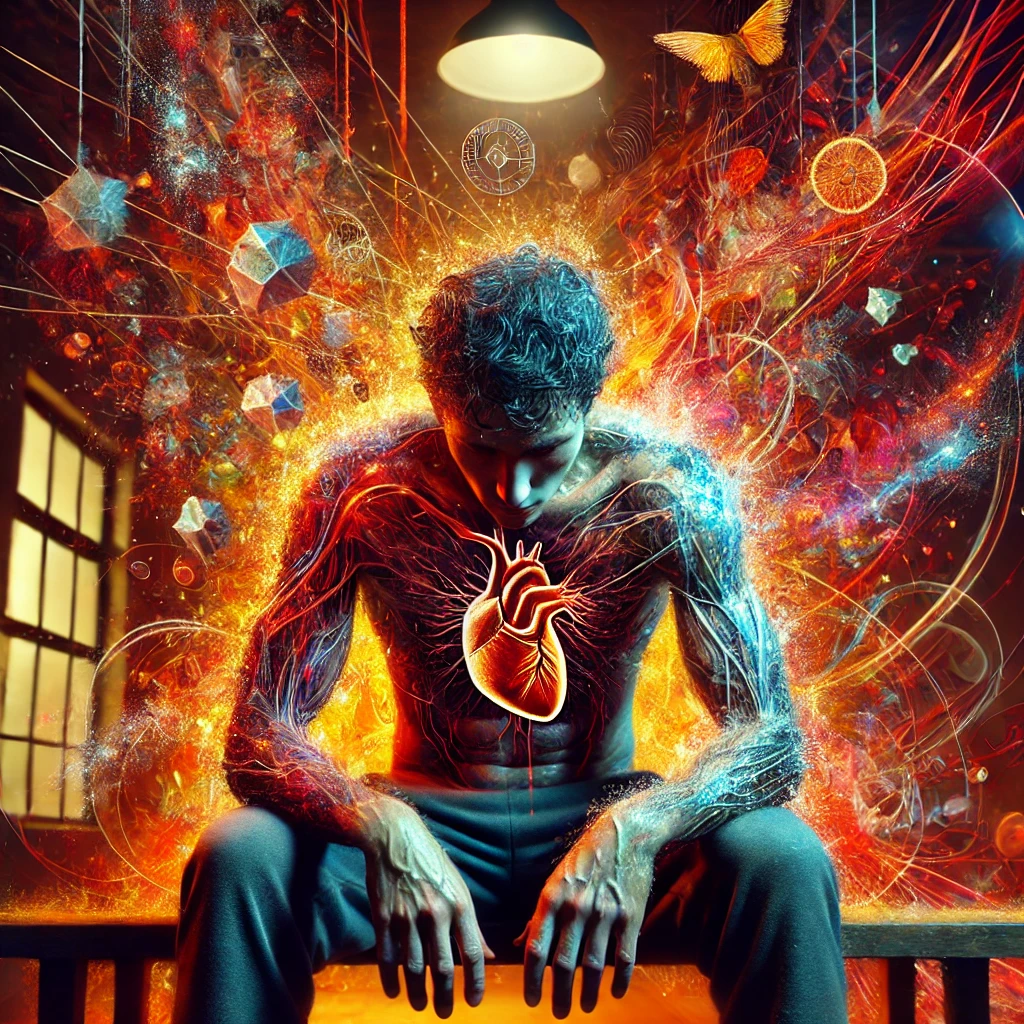
The Physical Toll of Mania: How It Affects Your Body Mania, a state of heightened energy and activity often experienced by individuals with bipolar disorder, doesn’t just impact the mind—it profoundly affects the body as well. The physical symptoms of mania can take a significant toll on overall health, particularly if the episode lasts for […]
The Spiritual Side of Mania: Mystical Experiences and Psychotic Narratives
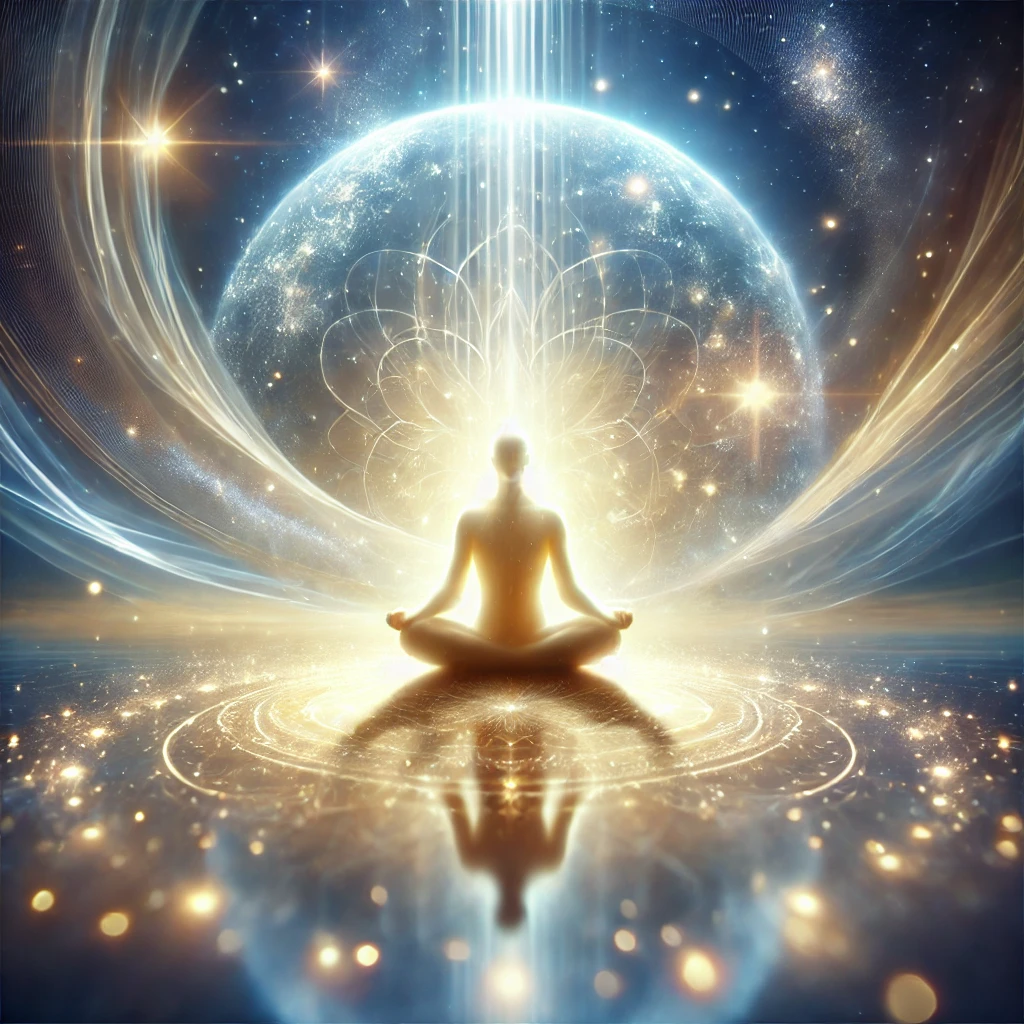
The Spiritual Side of Mania: Mystical Experiences and Psychotic Narratives Mania is often described in clinical terms—racing thoughts, hyperactivity, and impulsive behaviors. But for many individuals, mania also carries a deeply spiritual component that can shape their experience in profound ways. These spiritual episodes are often interwoven with psychotic narratives and mystical experiences, leaving an […]
Mania and the Breakdown of Communication
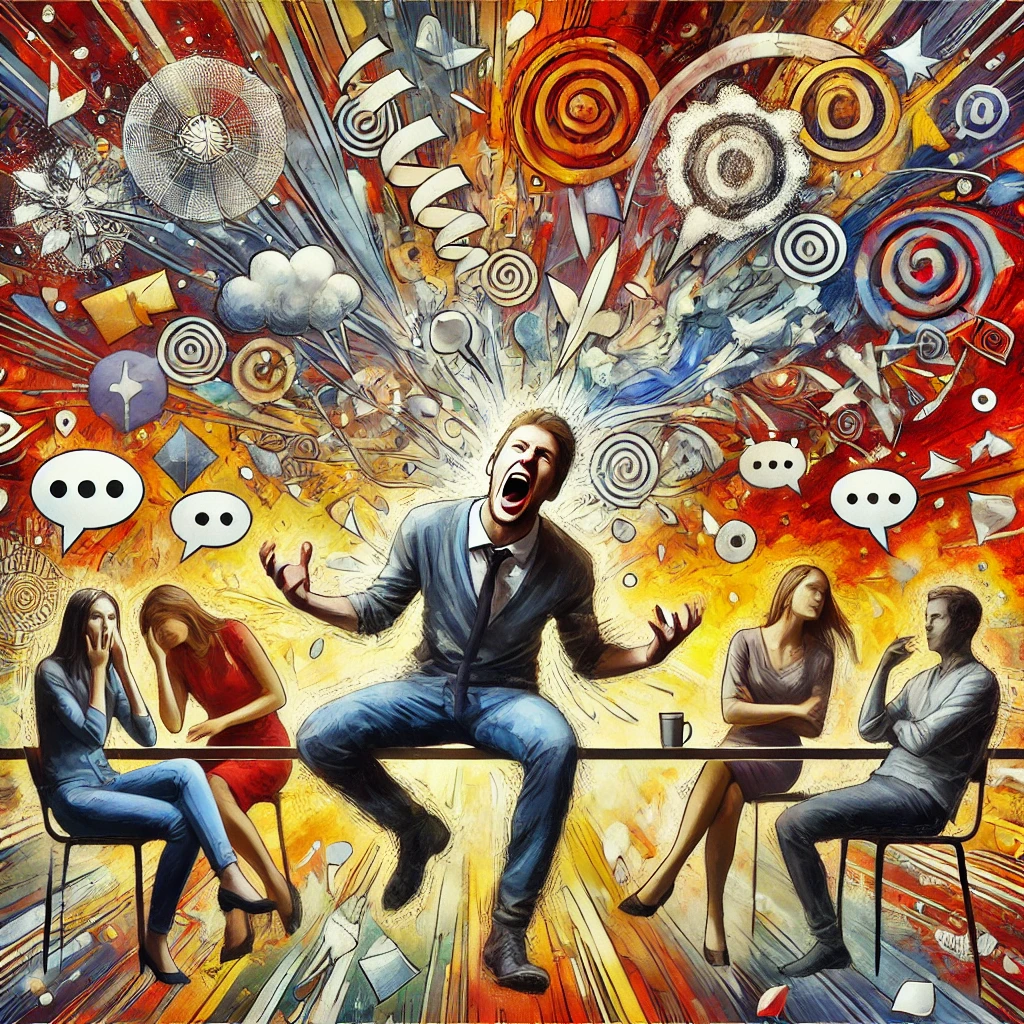
Mania and the Breakdown of Communication Mania, a hallmark symptom of bipolar disorder, is characterized by an elevated mood, heightened energy levels, and accelerated mental activity. While these features can initially seem invigorating, they often lead to significant communication challenges. Understanding how mania disrupts effective communication is critical for individuals experiencing it, as well as […]
How Mania Impacts Social Interactions and Relationships
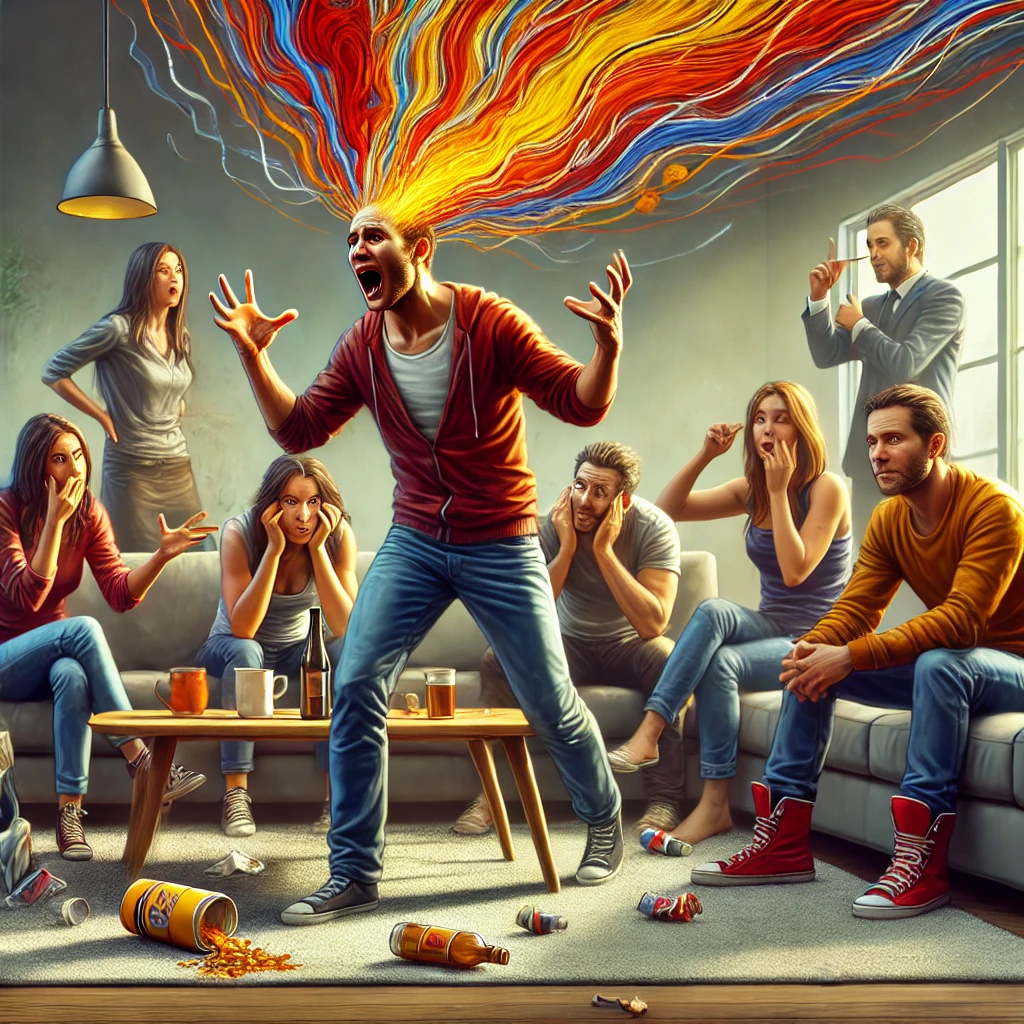
How Mania Impacts Social Interactions and Relationships Mania, a symptom of bipolar disorder, profoundly affects an individual’s social interactions and relationships. Its hallmark features—hyperactivity, grandiosity, and a diminished ability to empathize—can strain even the closest bonds. This blog explores how mania impacts social behavior, from heightened extroversion to breakdowns in communication, and why understanding these […]