
Why Depression Often Comes First in Bipolar Disorder During Adolescence

In many adolescents who later develop bipolar disorder, the first noticeable episode is depression rather than mania. This sequence contributes to delayed recognition of bipolar illness and explains why early diagnosis in teenagers is often difficult.
Why Bipolar Disorder Commonly Begins in Adolescence

Bipolar disorder most often begins during adolescence, usually first appearing as depression rather than mania. Research shows that puberty and early developmental changes mark a high-risk period, which helps explain why bipolar disorder is frequently misidentified in its early stages.
Bipolar Disorder and Menopause: Hormones, Depression, and Mood Stability

Menopause does not cause bipolar disorder, but hormonal withdrawal can influence mood stability. Declining estrogen and disrupted sleep may contribute to depressive or mixed symptoms. With targeted treatment and support, individuals can maintain stability during this transition.
Unipolar vs. Bipolar Schizoaffective Disorder: Two Distinct Emotional Landscapes

Schizoaffective disorder exists in two main forms: one driven by depression, the other cycling between mania and depression. Understanding whether the mood pattern is unipolar or bipolar helps guide treatment, predict recovery, and support long-term stability.
The Forgotten Middle: Understanding the Soft Bipolar Spectrum

Not all bipolar conditions look extreme. Many people experience subtle but disruptive mood shifts that don’t meet full diagnostic criteria—yet still point to bipolarity. This post explores the soft bipolar spectrum, from bipolar I½ to IV, and how these lesser-known types impact diagnosis and treatment.
Behavioral Activation: How Action Breaks the Cycle of Depression

Behavioral Activation: How Action Breaks the Cycle of Depression Depression can create a cycle of inactivity and emotional stagnation, making it feel nearly impossible to engage with life. Behavioral activation (BA) offers a powerful strategy to break this cycle by encouraging positive action, even when motivation is lacking. This evidence-based approach focuses on the connection […]
The Emotional Inertia of Depression: Why It’s Hard to Feel Better
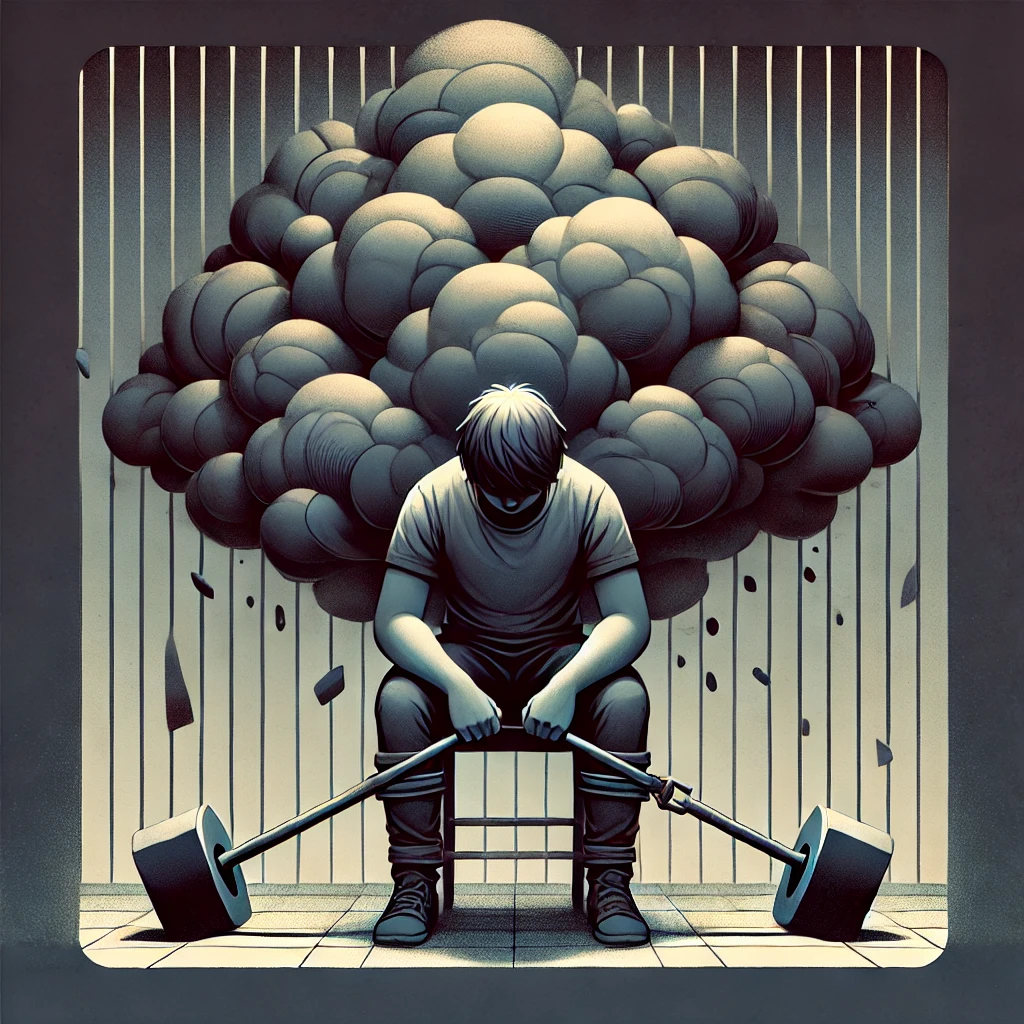
The Emotional Inertia of Depression: Why It’s Hard to Feel Better Depression is more than sadness; it’s a pervasive state that impacts emotions, thoughts, and behaviors. One of its defining features is emotional inertia—the feeling of being stuck in a particular emotional state, unable to shift into a more positive mood. Understanding why emotional inertia […]
Depression and Relationships: Staying Connected During Hard Times

Depression and Relationships: Staying Connected During Hard Times Depression doesn’t just affect the individual experiencing it—it impacts their relationships with loved ones as well. This condition often creates feelings of isolation, disconnection, and difficulty communicating needs. (To understand how depression and anxiety can create a reinforcing cycle, read this article). These challenges can strain even […]
Hopelessness in Depression: How to Reignite Hope

Hopelessness in Depression: How to Reignite Hope Hopelessness is one of the most debilitating aspects of depression. It colors every thought and experience, creating the perception that the future holds nothing but pain or emptiness. This pervasive despair often leads individuals to feel stuck, unable to envision a better tomorrow. However, it is possible to […]