
Why the DSM Misses Half the Bipolar Spectrum

Many bipolar spectrum cases are missed because they don’t meet strict DSM criteria. Short hypomania, medication-triggered symptoms, and mood temperaments are often excluded—leading to misdiagnosis and mistreatment. This post explores why the DSM misses so much and how to improve recognition.
Hyperthymic Temperament: Is It Bipolar or Just Personality?

Hyperthymic temperament describes a lifelong pattern of elevated mood, energy, and sociability. While not a disorder, it can signal an underlying vulnerability to bipolar depression—especially when late-onset mood shifts or medication reactions occur.
Bipolar IV: The Crash of the Hyperthymic Temperament

Bipolar IV describes individuals with a lifelong upbeat temperament who later experience a crash into depression. Often missed due to the absence of mania, this bipolar subtype underscores the role of temperament in shaping vulnerability to mood disorders.
Bipolar III½: When Substance Use Masks an Underlying Mood Disorder

Bipolar III½ refers to individuals who develop hypomanic symptoms after using stimulants like amphetamines. While these reactions may appear substance-induced, they often reveal an underlying bipolar tendency—especially when linked to family history or longstanding mood sensitivity.
Bipolar III: Antidepressant-Induced Hypomania Is Still Bipolar

Bipolar III describes individuals who experience hypomania only after starting antidepressants. Often mistaken for unipolar depression or side effects, these reactions may reveal an underlying bipolar spectrum condition—and require a shift in treatment strategy.
Bipolar II½: Cyclothymic Depression and the Borderline Confusion

Bipolar II½ describes individuals with a cyclothymic temperament who also experience major depressive episodes. Often confused with borderline personality disorder, this bipolar spectrum subtype offers a clearer explanation for chronic mood instability—and a path to more effective treatment.
Behavioral Activation: How Action Breaks the Cycle of Depression

Behavioral Activation: How Action Breaks the Cycle of Depression Depression can create a cycle of inactivity and emotional stagnation, making it feel nearly impossible to engage with life. Behavioral activation (BA) offers a powerful strategy to break this cycle by encouraging positive action, even when motivation is lacking. This evidence-based approach focuses on the connection […]
The Emotional Inertia of Depression: Why It’s Hard to Feel Better
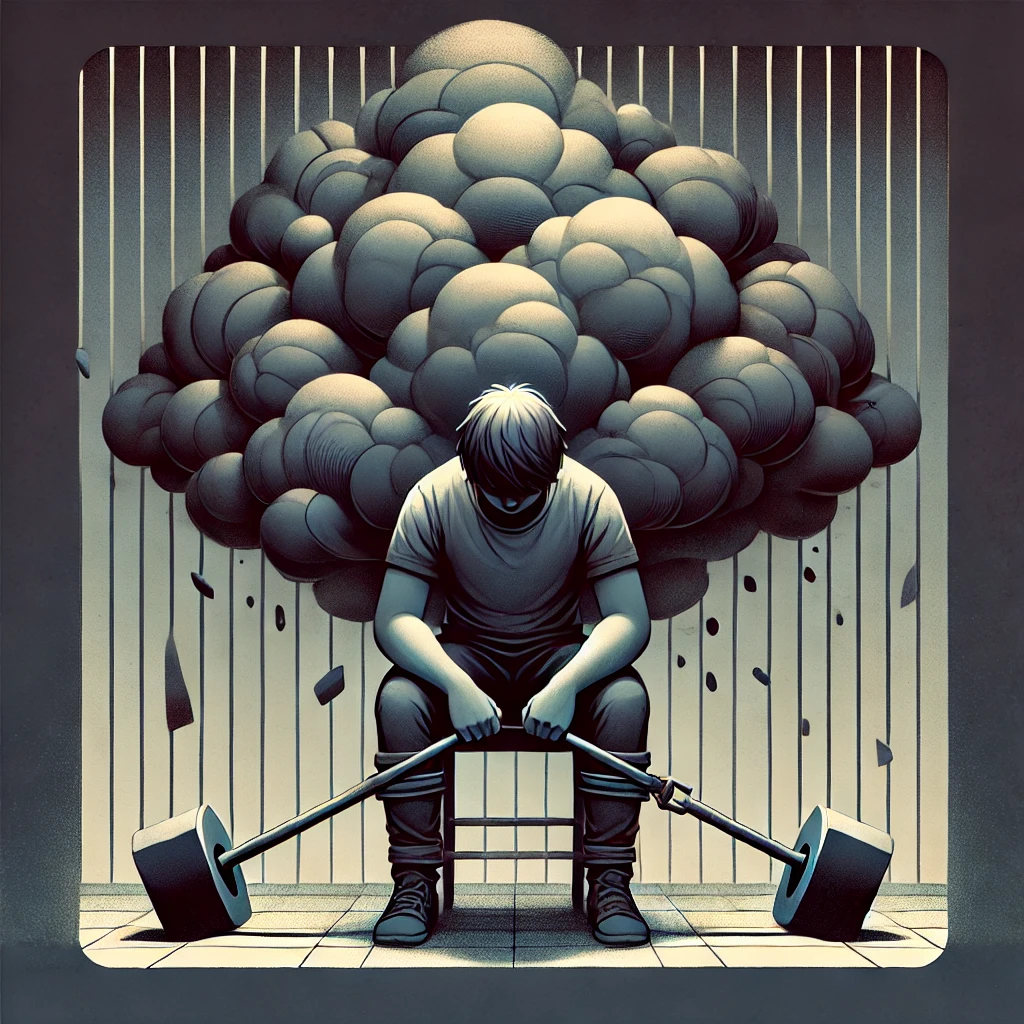
The Emotional Inertia of Depression: Why It’s Hard to Feel Better Depression is more than sadness; it’s a pervasive state that impacts emotions, thoughts, and behaviors. One of its defining features is emotional inertia—the feeling of being stuck in a particular emotional state, unable to shift into a more positive mood. Understanding why emotional inertia […]
The Slowness of Depression: Why Everything Feels Hard
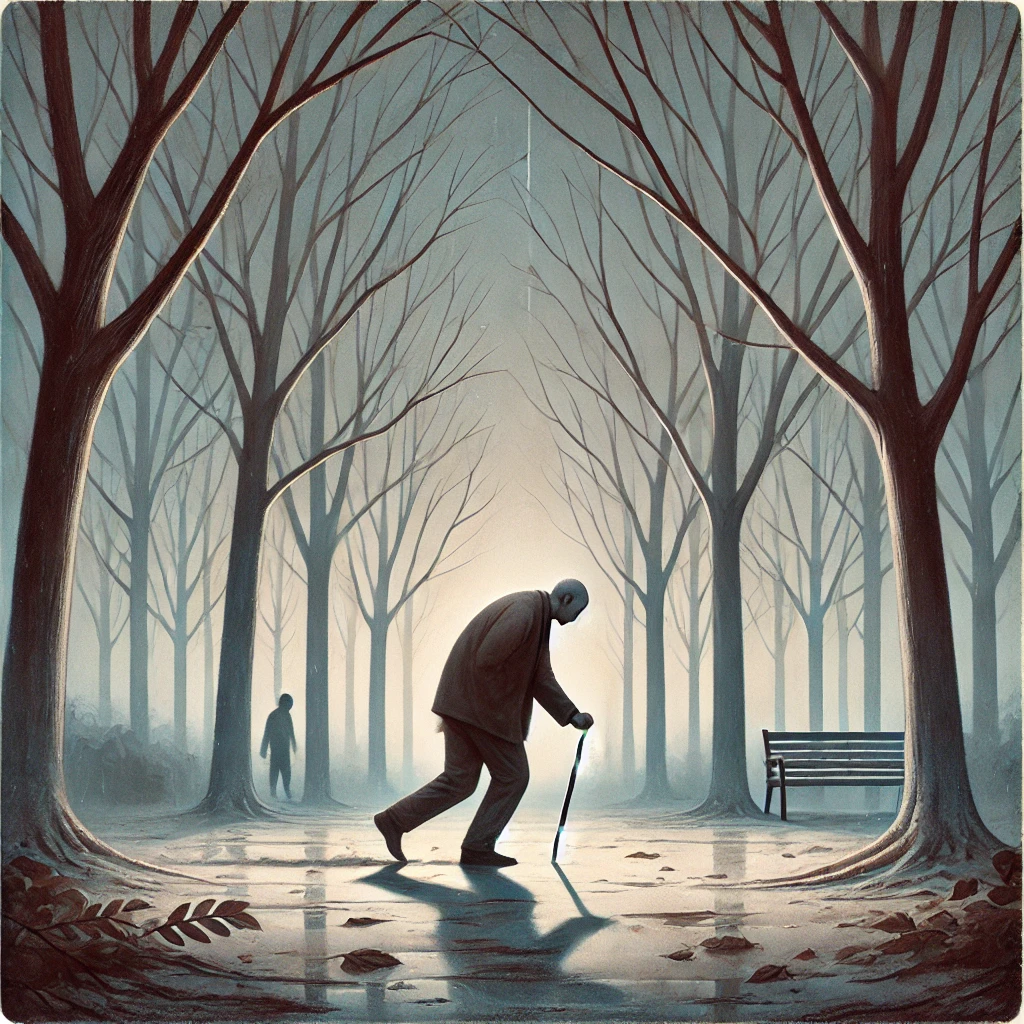
The Slowness of Depression: Why Everything Feels Hard Depression is more than just feeling sad; it’s a condition that can sap your energy, motivation, and drive, leaving you feeling like you’re moving through molasses. (To understand how depression and anxiety can create a reinforcing cycle, read this article). This pervasive slowness affects every aspect of […]