
Bipolar II Explained: The Highs That Don’t Look Like Mania

Bipolar II disorder involves major depression and hypomania—mood elevations that often go unrecognized. This post explores how Bipolar II differs from other bipolar types, why it’s often misdiagnosed as depression or borderline personality disorder, and what treatment strategies work best.
Bipolar I½: When Hypomania Lingers and Mania Never Fully Arrives

Not all bipolar episodes involve breakdowns or hospital stays. Bipolar I½ describes people who swing between depression and long, subtle hypomanias—often mistaken for personality traits. This post explores the signs of I½ and why recognizing it can lead to better, safer treatment.
The Forgotten Middle: Understanding the Soft Bipolar Spectrum

Not all bipolar conditions look extreme. Many people experience subtle but disruptive mood shifts that don’t meet full diagnostic criteria—yet still point to bipolarity. This post explores the soft bipolar spectrum, from bipolar I½ to IV, and how these lesser-known types impact diagnosis and treatment.
Beyond Unipolar: Why Some Depressions Are Actually Bipolar

Many people diagnosed with depression actually fall on the bipolar spectrum—especially if they’ve had mood swings, antidepressant reactions, or a family history of bipolar disorder. This post unpacks the signs of hidden bipolarity and why the right diagnosis changes everything.
Understanding Bipolar Subtypes: Mania, Depression, Mixed States, and Rapid Cycling

Bipolar disorder takes many forms—some dramatic, others more subtle. From full-blown mania to rapid cycling and mixed states, understanding the different subtypes of bipolar disorder can help you identify your symptoms and get the right treatment. This post breaks down the key features of each type so you can better navigate your own diagnosis or support a loved one.
How Mania Differs From Hypomania: Key Differences Explained
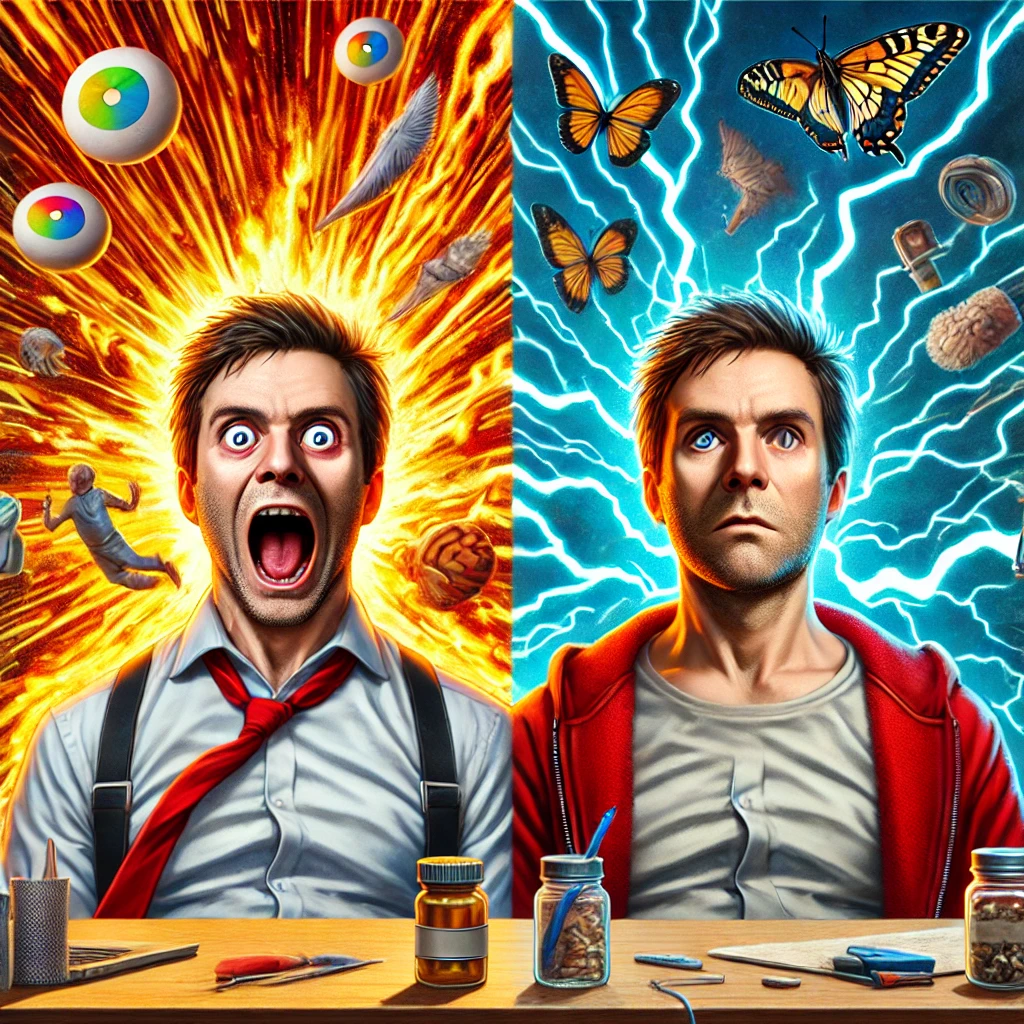
How Mania Differs From Hypomania: Key Differences Explained Mania and hypomania are both elevated mood states commonly associated with bipolar disorder, but they differ significantly in terms of intensity, impact on functioning, and potential consequences. (For a detailed perspective on when psychiatric hospitalization becomes essential, explore this post). Understanding these differences is crucial for anyone […]
Psychiatric Hospitalization for Bipolar Disorder: The Manic-Depressive Cycle

Psychiatric Hospitalization for Bipolar Disorder: The Manic-Depressive Cycle Bipolar disorder is characterized by alternating episodes of mania and depression, each presenting distinct challenges that sometimes require psychiatric hospitalization. Understanding the role of hospitalization in managing these different phases of the manic-depressive cycle can help patients and their families make informed decisions about care. The Manic-Depressive […]
The Risks of Compounding Medications in Psychiatric Treatment

The Risks of Compounding Medications in Psychiatric Treatment In the world of psychiatric treatment, many patients rely on medications to help manage their mental health conditions. For many, these medications can be life-changing, offering relief from symptoms and allowing them to live fuller lives. However, there’s a potential pitfall that often goes unnoticed: the compounding […]
The Challenge of Diagnosing Mental Illness Accurately: Risks and Consequences
The Challenge of Diagnosing Mental Illness Accurately: Risks and Consequences Mental health is a complex and deeply individualized experience, which makes diagnosing mental illnesses a challenging task. No two people will exhibit the same symptoms in exactly the same way, even if they share the same diagnosis. This variability contributes to the risks of misdiagnosis […]